Every seasoned home cook knows that the right tools make all the difference, and at the heart of countless culinary creations lies the humble yet indispensable mixing bowl. While options abound, a Stoneware Mixing Bowl Set stands out as a timeless choice, seamlessly blending enduring tradition with robust modern functionality. These sets aren’t just about utility; they’re about bringing a touch of artisanal beauty and reliable performance to your kitchen, transforming everyday tasks into truly delightful experiences. For those who appreciate both form and function, stoneware offers a unique charm that other materials simply can’t replicate.
The Enduring Charm of Stoneware Mixing Bowl Sets
Stoneware, a type of ceramic, is crafted from dense clay fired at exceptionally high temperatures, typically between 2,200 and 2,800 degrees Fahrenheit. This intense firing process results in a material that is remarkably hard, non-porous, and significantly more durable than traditional earthenware. It’s this inherent strength and distinctive finish that gives stoneware its enduring appeal.
Why should a stoneware mixing bowl set be a centerpiece in your kitchen?
- Durability and Longevity: Stoneware is renowned for its resilience. Unlike more delicate materials, it’s highly resistant to chipping, cracking, and breaking, making it a reliable workhorse for daily use. A well-cared-for stoneware set can last for generations, becoming a cherished part of your family’s culinary history.
- Exceptional Heat Retention: One of stoneware’s standout qualities is its ability to retain heat effectively. This makes stoneware mixing bowls incredibly versatile. Beyond mixing, they can keep your mashed potatoes warm for serving, allow dough to rise evenly, or even transition directly from oven to table as a beautiful serving piece.
- Versatility Beyond Mixing: Many stoneware mixing bowls are designed with multi-functionality in mind. They are often safe for use in the oven, microwave, and freezer, adding immense value to your kitchen arsenal. Imagine preparing a gratin, baking a small casserole, or simply reheating leftovers directly in your mixing bowl. This seamless transition from prep to cooking to serving is a game-changer.
- Aesthetic Appeal: With their rustic charm and often handcrafted feel, stoneware mixing bowls bring a warm, inviting aesthetic to any kitchen. They come in a delightful array of colors, from classic neutrals to vibrant hues, often featuring unique glazes, embossed patterns, or speckled finishes that make them attractive enough to display on open shelving or use as elegant serving dishes.
- Food Safety and Purity: Quality stoneware is made from natural materials and is typically lead-free and non-reactive. This means it won’t leach harmful chemicals into your food, nor will it absorb flavors or odors from strong ingredients, ensuring that your culinary creations taste exactly as intended. Its non-porous surface also contributes to hygiene and ease of cleaning.
Popular Types and Materials: A Deeper Dive into Stoneware
When considering a mixing bowl set, you’ll encounter various materials, each with its own advantages. Understanding how stoneware compares can help you make an informed decision.
Stoneware vs. Other Materials
- Stoneware vs. Ceramic: While stoneware is a type of ceramic, the distinction often lies in the firing temperature and resulting density. Stoneware is fired at higher temperatures, yielding a denser, less porous, and more durable product. Regular ceramic can be lighter and offers a wider range of vibrant colors and intricate designs, but may be more prone to chipping.
- Stoneware vs. Stainless Steel: Stainless steel bowls are lightweight, durable, and non-reactive. They are excellent for vigorous mixing but cannot be used in the microwave and may dent if dropped. Stoneware, while heavier, offers microwave and oven compatibility and a more substantial feel, often staying put on the counter without a non-slip base.
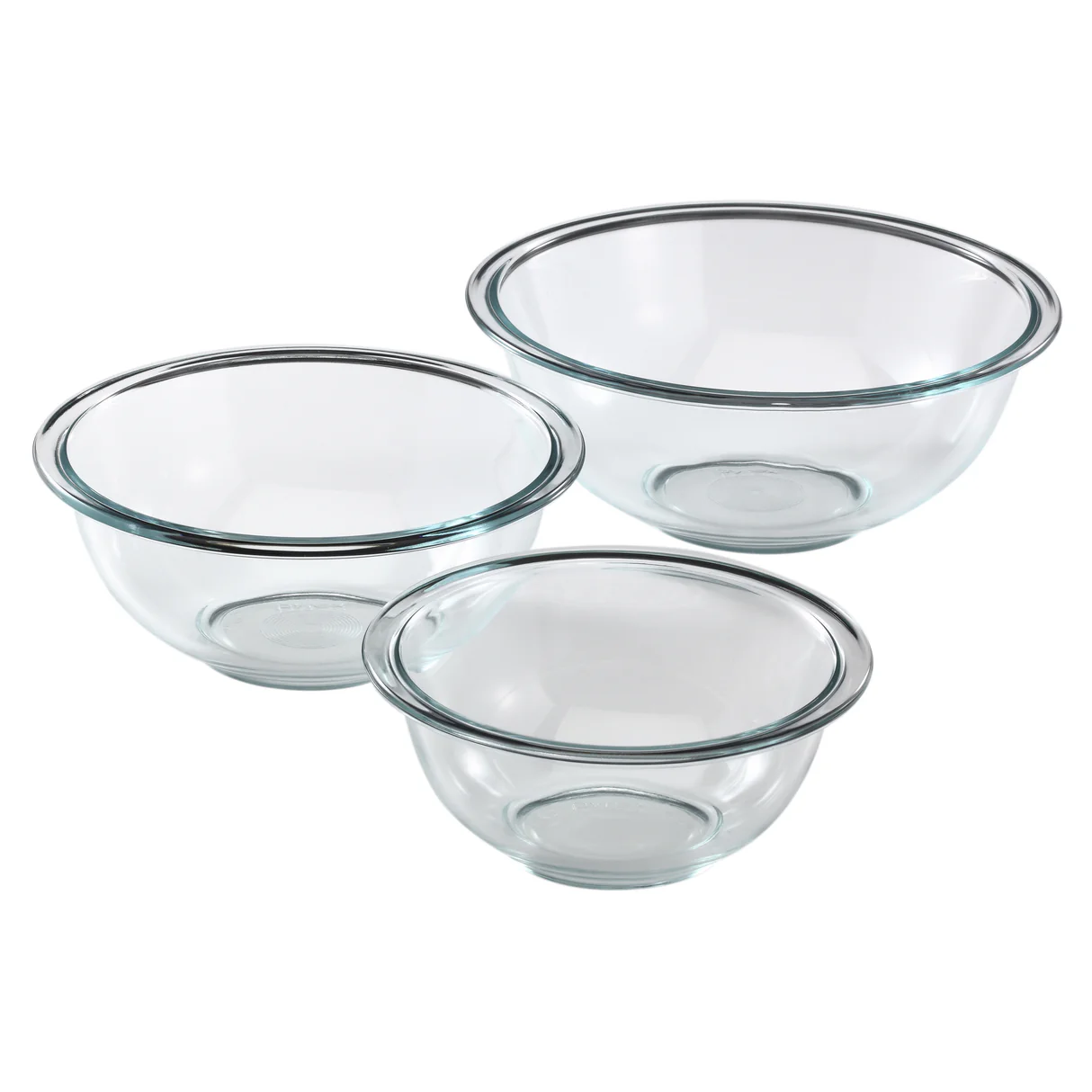
- Stoneware vs. Glass: Glass bowls are non-reactive, transparent (great for seeing ingredients), and typically microwave and oven safe. However, they can be brittle and shatter if dropped or subjected to sudden temperature changes. Stoneware offers greater impact resistance and superior heat retention.
- Stoneware vs. Plastic: Plastic bowls are lightweight and affordable but can scratch easily, absorb odors and stains, and may not be suitable for high heat. Stoneware provides a far more durable, aesthetically pleasing, and heat-safe alternative that won’t taint your food.
Common Stoneware Features
Modern stoneware mixing bowl sets often come with thoughtful features designed to enhance your cooking experience:
- Nesting Designs: Many sets are cleverly designed to nest within each other, offering compact and convenient storage solutions for even the smallest kitchens.
- Pour Spouts: A small, integrated spout makes pouring batters, sauces, and liquids mess-free, an invaluable feature for bakers.
- Handles: Some stoneware bowls include a sturdy handle for easier gripping and control, especially when whisking vigorously or pouring heavy mixtures.
- Varied Sizes: Sets typically include multiple bowls of different capacities, providing the right size for every task, from whisking a single egg to kneading a large batch of bread dough.
Choosing the Perfect Stoneware Mixing Bowl Set for Your Kitchen
Selecting the ideal stoneware mixing bowl set involves more than just picking a pretty pattern. Consider these criteria to ensure your choice truly enhances your culinary journey:
Size and Capacity
Think about your typical cooking and baking habits. Do you mostly prepare small meals, or do you frequently bake large cakes and make big batches? A good set usually includes bowls ranging from small (for eggs, sauces) to large (for dough, salads), offering the versatility you’ll need.
Design and Aesthetics
Stoneware comes in a vast array of designs, from the classic, striped Americana look to modern minimalist styles with subtle speckled glazes. Consider a set that complements your kitchen’s existing decor or adds a splash of color and personality. Remember, these bowls are often beautiful enough to double as serving pieces.
Special Features
- Nesting for Storage: If cabinet space is at a premium, a nesting set is a must-have, keeping your kitchen organized and clutter-free.
- Pour Spouts: For baking enthusiasts, a well-designed pour spout can significantly reduce mess and make transferring ingredients a breeze.
- Comfortable Handles: Bowls with handles provide an ergonomic grip, which is particularly helpful when working with heavy mixtures or holding the bowl steady with one hand.
- Non-Slip Bases: While stoneware’s weight generally provides stability, some designs may feature a silicone or rubber base for added grip on slippery countertops.
Oven, Microwave, and Dishwasher Safety
Always verify the manufacturer’s specific instructions regarding heat and cleaning. While most stoneware is quite versatile, individual products may have different temperature limits or care requirements. Look for lead-free glazing to ensure your bowls are safe for all food contact.
“When I’m advising home cooks, I always emphasize that a stoneware mixing bowl set is an investment in both function and beauty,” shares Chef Anya Sharma, a culinary expert. “The weight offers stability when mixing, and the aesthetic instantly elevates any kitchen. But always check those care instructions—they’re key to keeping your bowls looking fantastic for years.”
Tips for Using and Caring for Your Stoneware Mixing Bowl Set
Proper care is essential to maintain the beauty and functionality of your stoneware mixing bowls for years to come.
Before First Use
Always wash your new stoneware mixing bowls thoroughly with warm, soapy water before their initial use.
Temperature Changes
Stoneware can be sensitive to extreme and sudden temperature changes, a phenomenon known as thermal shock. To prevent cracking, always allow your bowls to cool completely to room temperature before washing, especially if they’ve just come out of a hot oven or microwave. Avoid plunging a hot bowl into cold water. If taking a bowl from the freezer to the oven, place it in a cold oven and allow both to heat up together gradually.
Cleaning Your Stoneware
- Handwashing: For optimal longevity and to preserve their pristine appearance, handwashing with mild dish soap and a soft sponge or cloth is generally recommended. Rinse thoroughly to remove all soap residue.
- Dishwasher Use: Many stoneware mixing bowls are dishwasher safe. If yours are, place them securely to prevent knocking, and use a gentle cycle with mild detergent. However, frequent dishwashing can sometimes dull the glaze over time.
- Removing Stubborn Stains: For tough, stuck-on food or discoloration, a paste made from baking soda and a little water or vinegar can work wonders. Apply the paste, let it sit for 10-20 minutes, then gently scrub with a soft brush or sponge and rinse well.
- What to Avoid: Steer clear of abrasive cleaners, metal scouring pads, or harsh chemical detergents, as these can scratch or damage the glaze. Also, some sources advise against citrus-based cleaners, which might dull the finish.
Storage
Ensure your stoneware mixing bowls are completely dry before storing to prevent any moisture buildup. If stacking, use soft cloth liners or paper towels between each bowl to protect the surfaces from scratches and chips. Store them in a cool, dry cabinet.
Cooking with Stoneware
Stoneware is remarkably versatile for cooking. Most pieces are safe for use in the oven (up to specific temperatures, usually around 500°F / 260°C), microwave, and freezer. However, always confirm these limits with your product’s manual. Never use stoneware directly on a stovetop burner or under a broiler without proper clearance, as direct high heat can cause damage.
Stoneware Mixing Bowl Sets as Thoughtful Gifts
Looking for a gift that combines practicality, beauty, and lasting quality? A stoneware mixing bowl set makes an exceptional present for weddings, housewarmings, birthdays, or any special occasion. It’s a gift that speaks of thoughtfulness, offering both a functional tool for the kitchen and a charming decorative element that will be appreciated for years to come. Choose a set with a unique color or design to make it extra special and personalized.
Trends and Innovations in Stoneware Mixing Bowl Design
The world of stoneware mixing bowls is constantly evolving. While traditional designs remain popular, contemporary trends embrace ergonomic shapes, innovative glazes, and a broader palette of colors. We’re seeing more sets with specialized features like wider rims for easy grip, subtly textured exteriors, and unique hand-painted details. There’s also a growing emphasis on sustainable production methods, reflecting a desire for products that are not only beautiful and functional but also environmentally conscious. From rustic farmhouse aesthetics to sleek, modern minimalist lines, stoneware continues to adapt, offering something for every taste and kitchen style.
Frequently Asked Questions (FAQ)
Are stoneware mixing bowls heavy?
Yes, stoneware bowls are typically heavier than those made from plastic or stainless steel. This weight is often considered a benefit, as it provides stability on the countertop during vigorous mixing, preventing the bowl from sliding around.
Can I use a hand mixer with stoneware bowls?
Absolutely! The inherent weight of stoneware helps keep the bowl stable while using a hand mixer. For extra security, you can place a damp cloth or a silicone mat underneath the bowl to prevent any movement.
Are all stoneware mixing bowls microwave and oven safe?
Most stoneware is designed to be microwave and oven safe, making it incredibly versatile. However, it is crucial to always check the specific manufacturer’s instructions for your particular set to confirm its heat tolerance and recommended uses.
How do I prevent my stoneware bowls from chipping?
To minimize the risk of chipping, handle your stoneware bowls with care, especially when washing or storing. Avoid dropping them or knocking them against hard surfaces. When stacking, use soft cloth liners or paper towels between each bowl to protect the glazes from scratches and chips.
What makes stoneware different from other ceramics?
Stoneware is a specific type of ceramic that is fired at a much higher temperature than general earthenware or pottery. This high-firing process results in a denser, stronger, and less porous material, making stoneware particularly durable and resistant to water absorption, even without glazing.
Conclusion
Choosing a stoneware mixing bowl set for your kitchen is more than just a practical decision; it’s an embrace of quality, tradition, and enduring style. These robust, versatile, and aesthetically pleasing sets promise to be faithful companions in countless culinary adventures, from simple weeknight meals to ambitious holiday feasts. They offer unparalleled durability, excellent heat retention, and a charming presence that elevates your kitchen’s ambiance. At Bếp Đẹp, we are confident that a high-quality stoneware mixing bowl set will not only meet but exceed your expectations, becoming a cherished part of your home for generations to come. Invest in the lasting beauty and performance of stoneware, and truly savor the art of cooking.